{"slug":"trying-antigravity-ai-code-editor","locale":"en","isFallback":false,"translationAvailable":["en","id"],"translationUrls":{"en":"/api/posts/trying-antigravity-ai-code-editor?locale=en","id":"/api/posts/trying-antigravity-ai-code-editor?locale=id"},"title":"Trying Antigravity: The AI Code Editor That Caught My Eye","description":"My first real impressions of Antigravity on Linux, from the Google One trial and AI model quotas to Ubuntu install issues and app crashes.","date":"2026-03-17","updated":null,"tags":["linux","ubuntu","ai","code-editor","apps","update"],"category":"AI","content":"\nI kept seeing **Antigravity** show up on TikTok.\n\nAt first I thought it was just another AI code editor trying to ride the same wave as Cursor, Windsurf, and Zed. But the more clips I saw, the more curious I got. The name was unusual, the UI looked clean, and the promise was obvious: premium AI models inside a dedicated editor, not just an extension layered on top of something else.\n\nSo I finally tried it myself.\n\n## I Am Still New to Linux\n\nBefore going too far, some context matters here: I am still very new to Linux.\n\nI only started using a dual-boot setup recently, and on the Linux side I have barely touched two editors so far: **VS Code** and **Antigravity**. Windsurf is already installed on my machine, but I still have not given it proper time yet.\n\nThat means this is not a review from a terminal veteran or a long-time Linux power user. This is a first-hand impression from someone still adapting, still learning, and still getting surprised by basic things.\n\nIf you are in that same phase, my experience may be more useful than a polished benchmark-heavy review.\n\n## I Actually Tried It on Windows First\n\nLinux was not my first stop.\n\nBefore this, I had already installed Antigravity on **Windows**, also because of TikTok. My early impression there was mixed. The AI side looked interesting, but the app itself did not feel especially stable. The most annoying issue was the login flow. Some attempts just failed for no clear reason, so I had to retry more than once.\n\nStill, the free trial was attractive enough that I kept poking around. That is what made me want to try the Linux version too, mainly to see whether it behaved any better there.\n\n## What Antigravity Is Trying to Be\n\nWhat immediately stood out to me was how Antigravity handles distribution on Ubuntu.\n\nThis is not just a random AppImage dropped on a landing page. Antigravity ships through its own APT repository hosted on Google Cloud, complete with a GPG signing key. That does not automatically make the app better, of course, but it does tell me the team is thinking beyond a quick prototype.\n\nFor an editor in this category, that matters. Updates, trust, and long-term maintenance are part of the product, not just the AI panel.\n\n## The 30-Day Free Trial Came from Google One\n\nThis was the part that pulled me in the fastest.\n\nAntigravity is not fully free, but I managed to claim a **30-day free trial** through a promotion in the **Google One** app on Android. I was just browsing the app casually and found the offer there.\n\nAfter claiming it, I got **1,000 AI Credits** on top of the trial access. That makes the whole thing much easier to test properly, because you are not limited to a tiny teaser before the paywall becomes the entire story.\n\n\n If you already have Google One, it is worth opening the app and checking whether the same Antigravity promo is still available on your account.\n\n\n## The Model List Is Genuinely Interesting\n\nOnce I got into **Settings → Models**, I could see that Antigravity was not playing it safe with model access. The list on my account included:\n\n- **Gemini 3.1 Pro** in different quota tiers\n- **Gemini 3 Flash**\n- **Claude Sonnet 4.6 (Thinking)**\n- **Claude Opus 4.6 (Thinking)**\n- **GPT-OSS 120B (Medium)**\n\nThat is a strong lineup for a trial period. What I liked even more is that Antigravity shows quota information clearly enough that you can actually plan how to use it instead of guessing.\n\n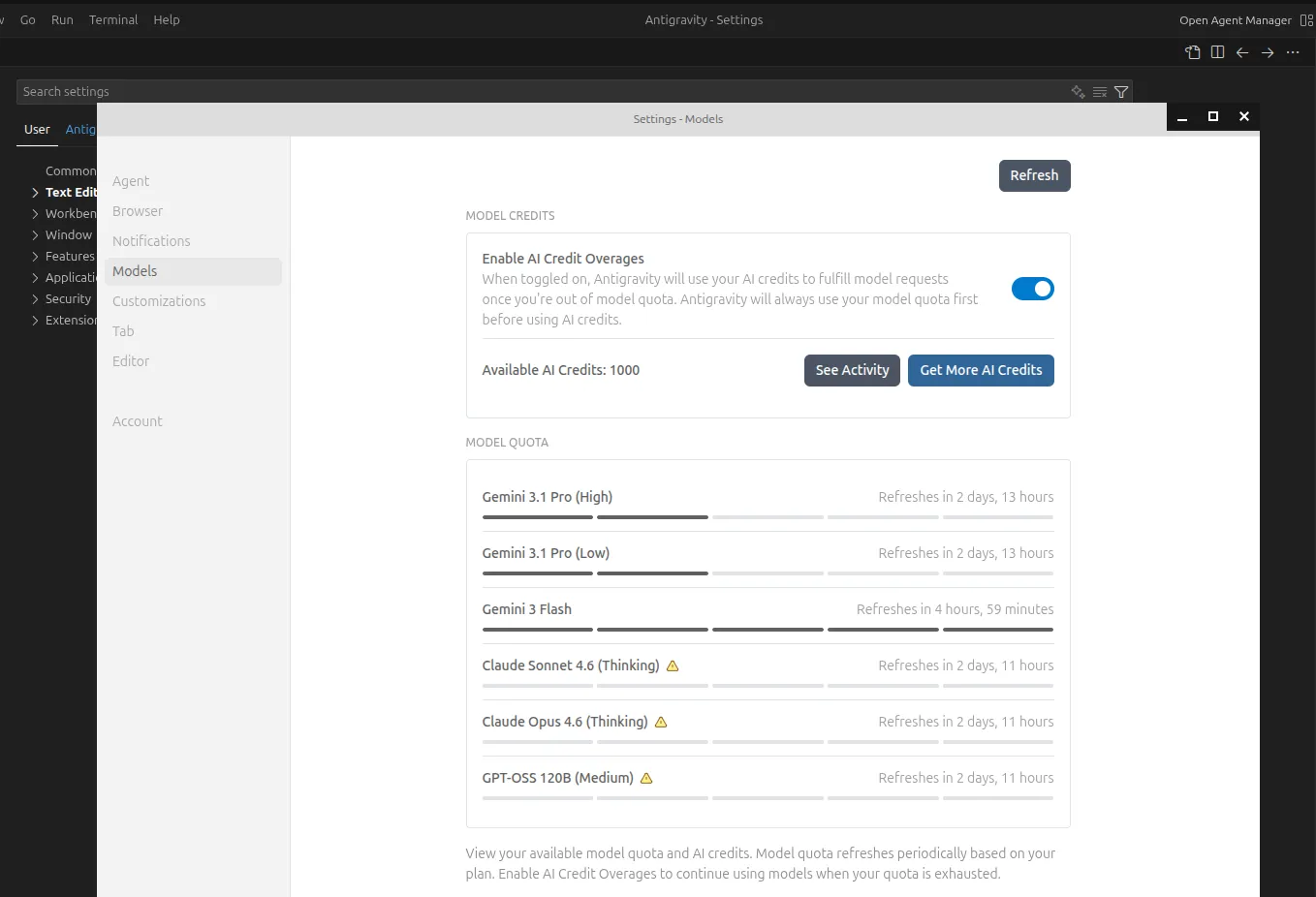\n*This was the screen that made the trial feel more serious than I expected.*\n\n### How to Enable AI Credit Overages\n\nThis option is useful, but the location is easy to miss the first time.\n\n\n \n **Open Settings from the editor menu**\n\n Do not look for a separate Antigravity-branded settings page first. Open the regular **Editor** menu, then enter **Settings**.\n \n\n \n **Go to the Models tab**\n\n Inside Settings, switch to **Models** to see the list of available AI models and their quotas.\n \n\n \n **Enable AI Credit Overages**\n\n Turn on **Enable AI Credit Overages** if you want Antigravity to keep working after a model's quota runs out by using your remaining AI Credits.\n \n\n\n### How I Would Save Credits\n\nBecause the credits are limited, I would not throw the biggest model at every prompt.\n\n- For lightweight questions or quick exploration, **Gemini 3 Flash** already feels like the sensible first choice.\n- For coding tasks that need stronger reasoning or better rewrites, **Gemini Pro** or **Claude Sonnet** make more sense.\n- **Claude Opus** is the kind of model I would keep for genuinely messy problems, not routine editor chatter.\n\nUsed carefully, **1,000 credits** can stretch further than they sound at first.\n\n## Installing It on Ubuntu Was Not as Smooth as I Expected\n\nThe official install flow only looked like three simple steps. In practice, I hit a problem immediately: **curl was not installed yet** on my system.\n\nThat small missing dependency was enough to break the first step. The repository entry was added, but the GPG key download failed. After that, `apt update` threw this error:\n\n```bash\nNO_PUBKEY C0BA5CE6DC6315A3\n```\n\nThe fix was straightforward once I understood what had happened.\n\n\n \n **Install curl first**\n\n ```bash\n sudo apt install curl -y\n ```\n \n\n \n **Download the Antigravity repository signing key again**\n\n ```bash\n curl -fsSL https://us-central1-apt.pkg.dev/doc/repo-signing-key.gpg | \\\n sudo gpg --dearmor --yes -o /etc/apt/keyrings/antigravity-repo-key.gpg\n ```\n \n\n \n **Verify that the key exists**\n\n ```bash\n sudo gpg --no-default-keyring \\\n --keyring /etc/apt/keyrings/antigravity-repo-key.gpg \\\n --list-keys\n ```\n \n\n \n **Refresh package indexes and install Antigravity**\n\n ```bash\n sudo apt update\n sudo apt install antigravity\n ```\n \n\n\nThat little detour was a good reminder that official install docs often assume a more complete base system than what a fresh Linux setup actually has.\n\n## Stability Still Feels Like the Biggest Problem\n\nThis is the part where I need to be blunt.\n\nEven though using Antigravity has been interesting, I cannot call it stable yet on Linux. I ran into crashes more than once, and one of the messages looked like this:\n\n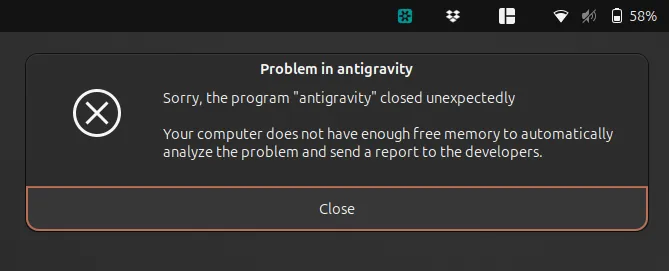\n*Not the kind of message you want to see in the middle of a coding session.*\n\n> \"Sorry, the program 'antigravity' closed unexpectedly. Your computer does not have enough free memory to automatically analyze the problem and send a report to the developers.\"\n\nThat is a rough failure mode. Crashing is already bad enough, but crashing in a way that also prevents bug-report analysis because memory is exhausted makes the whole thing feel even less mature.\n\nAnd this is where my Linux experience started to rhyme with what I had already seen on Windows. The exact issue was different there, but the underlying feeling was similar: Antigravity is promising, but it is still carrying some instability that is hard to ignore.\n\n## A Few Screenshots from My Trial\n\n\n 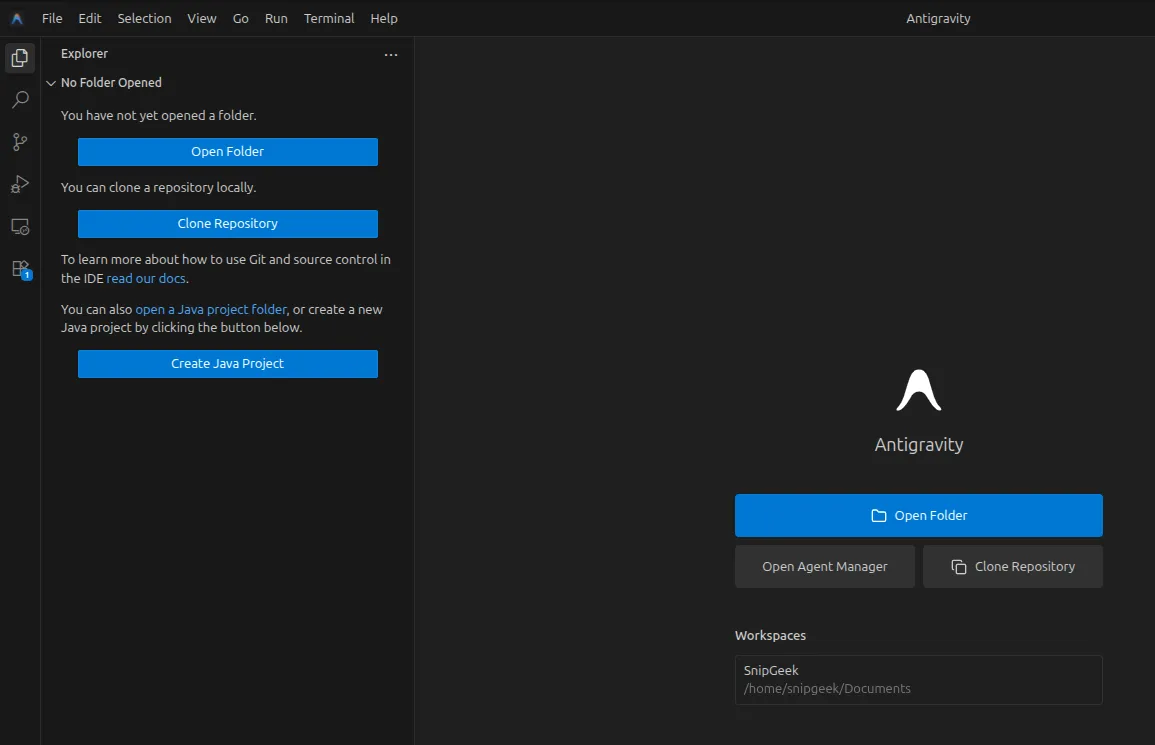\n 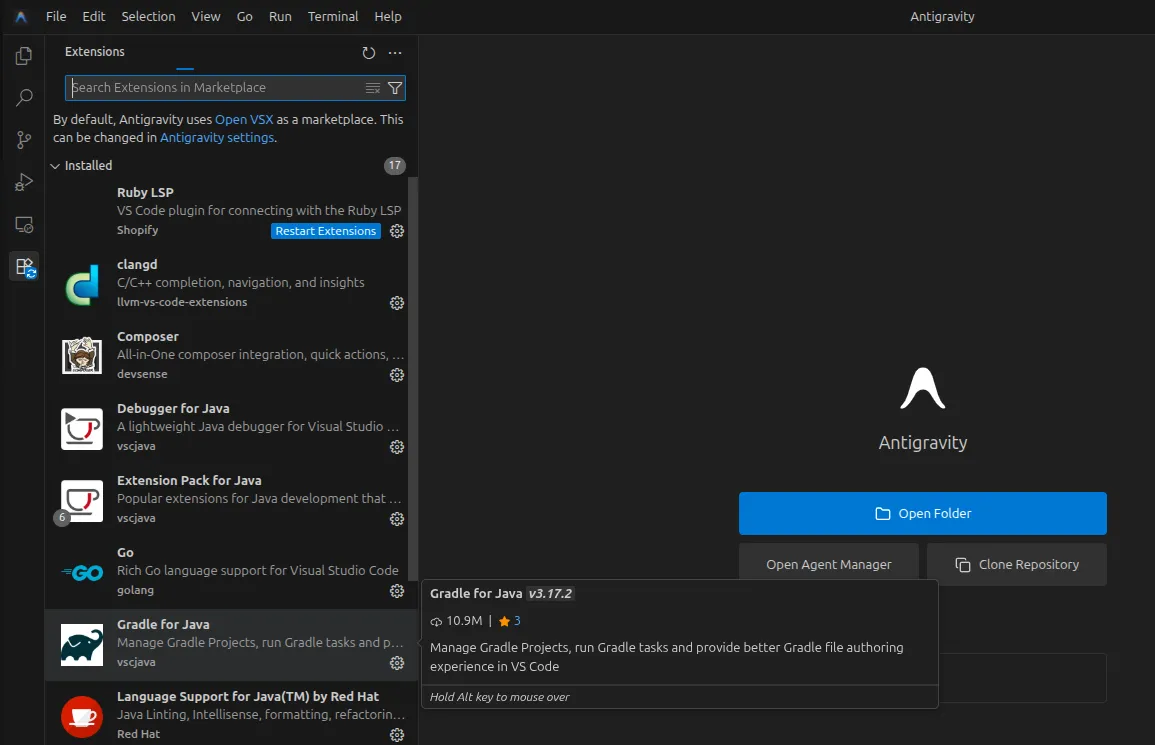\n 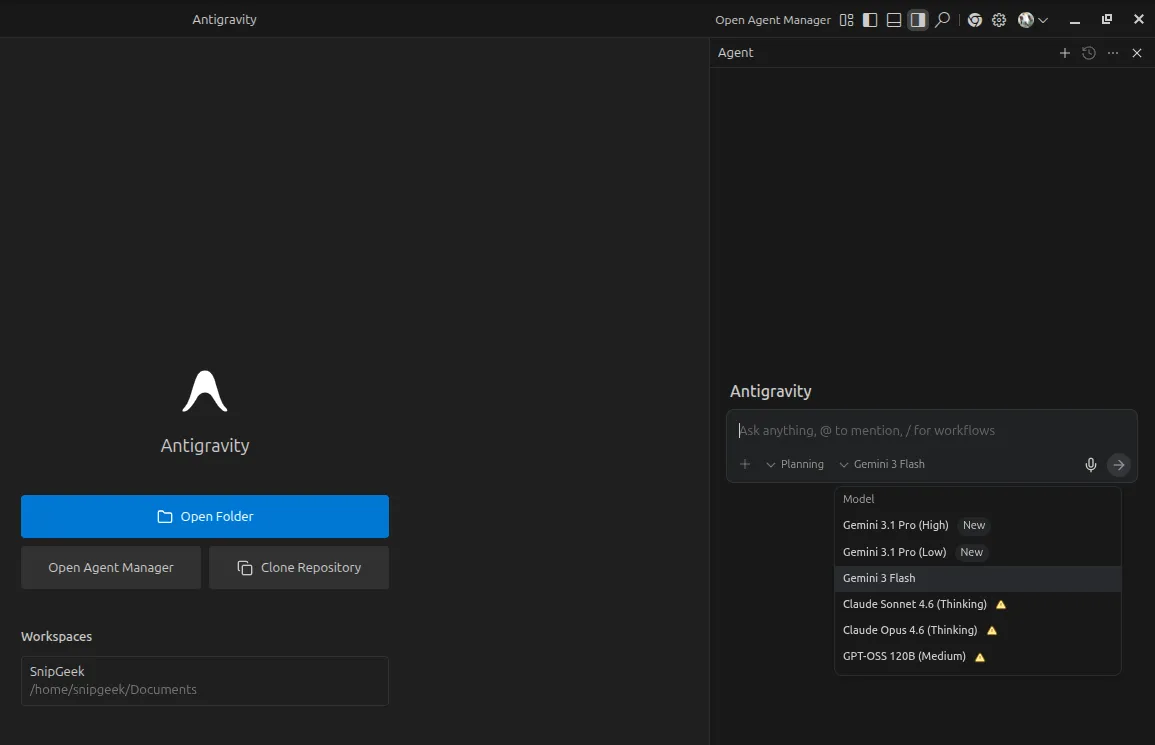\n\n\nI genuinely hope the developers keep polishing it, because the foundation is not bad at all.\n\n## My Temporary Verdict\n\nAntigravity is interesting. That part is easy.\n\nGetting access to models like **Claude Opus**, **Claude Sonnet**, **Gemini Pro**, and **GPT-OSS** from inside one editor is a real selling point, especially when the quota system is visible enough to manage. The fact that the Linux distribution is handled through a proper APT repository also gives it a more serious feel than a throwaway experiment.\n\nBut if I am being honest, I would be much more cautious about paying for it right now if not for the **30-day Google One trial**. The crashes on Linux and the earlier login issues I saw on Windows both suggest the product still has important work to do before it feels dependable.\n\nFor now, I think the best approach is simple: enjoy the trial, test the AI models, use the credits carefully, and keep expectations realistic.\n\nIf you want to check the product yourself, you can visit the [official Antigravity product page](https://antigravity.google/product).\n\nIf you found Antigravity through TikTok too, or you have already spent more time with it than I have, I would be curious to know whether your experience has been smoother."}