Ubuntu 26.04 LTS 'Resolute Raccoon': New Features and Major Changes
Iwan Efendi5 min

Ubuntu 26.04 LTS breakdown: GNOME 50 on full Wayland, modern toolchain upgrades, enterprise security changes, and AI/GPU improvements before final release.
Ubuntu 26.04 LTS, codenamed Resolute Raccoon, is scheduled for stable release on April 23, 2026. To me, this is the kind of Ubuntu release that becomes more interesting the longer you look at it. It does not rely on flashy one-line gimmicks. Instead, it feels like a careful consolidation of transitions Ubuntu had already set in motion in 25.10.
If you have been tracking Ubuntu closely, the direction is easy to recognize. Canonical is tightening the modern desktop stack, moving developers onto newer defaults more aggressively, and investing more seriously in AI and enterprise readiness. What makes 26.04 stand out is that these decisions no longer feel experimental. They feel intentional. This article walks through the changes that matter most and what they mean in everyday use.
The headline desktop change is straightforward: Ubuntu is now firmly centered on Wayland sessions. Xorg is no longer the practical path for the default desktop experience. That will make some users nostalgic, but from a platform direction standpoint, the move now feels irreversible.
With GNOME 50 in place, Ubuntu is also moving closer to a cleaner GNOME baseline. Two app-level changes stand out:
At system level, Ubuntu 26.04 brings a strong refresh:
Ubuntu 26.04 also looks more complete on server and enterprise lanes:
One of the most practical AI-related improvements is official ROCm availability in standard repositories. For anyone who has spent time dealing with Linux GPU setup friction, this is the kind of change that matters more than a flashy announcement banner. Setup can be as simple as:
For AMD workstation users, this reduces early deployment friction significantly. On NVIDIA systems, ongoing Wayland improvements in GNOME are also relevant for gaming and desktop compute consistency.
Ubuntu 26.04 sharpens several security and operations points:
Ubuntu 26.04 includes additional GNOME Shell search providers:
Yaru receives visible refinements, especially around folder icon style and accent integration.
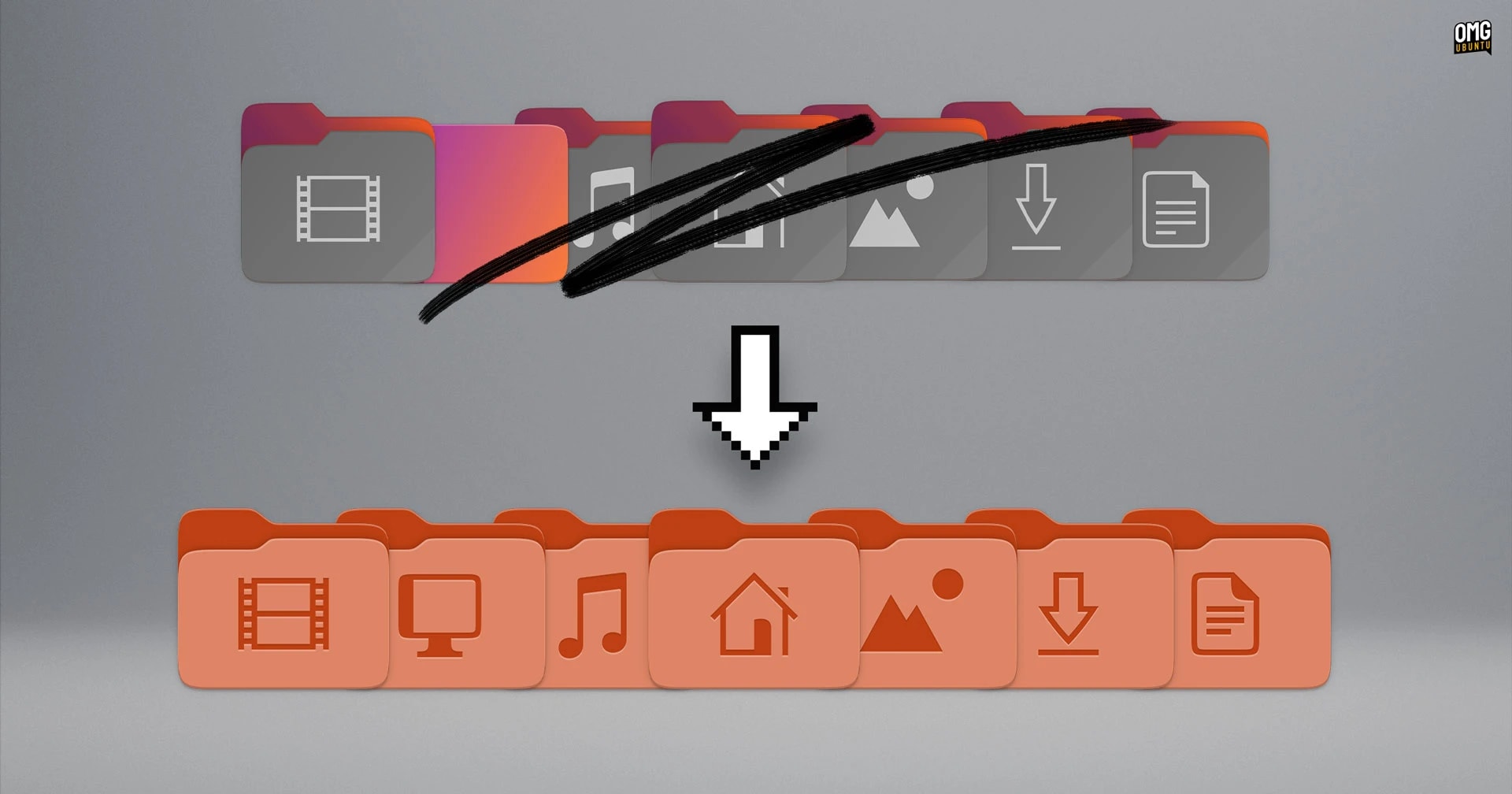 The Yaru update may look subtle at first glance, but it improves visual consistency across daily desktop use.
Ubuntu Dock also shifts toward a more solid background, helping maintain contrast and readability on varied wallpapers. Broadly, the design direction is to rely more on GNOME's base and keep Ubuntu-specific overrides focused.
The official Ubuntu 26.04 wallpaper direction is one of my favorite parts of this cycle. The raccoon mascot composition feels centered, clean, and recognizably Ubuntu without simply repeating older framing formulas. It still looks unmistakably Ubuntu, but it does so with a bit more restraint and confidence.
Image: Ubuntu 26.04 LTS "Resolute Raccoon" default wallpaper set in Color, Dark, and Light variants.
If you want to download the wallpaper collection and related assets, use the link below:
Ubuntu 26.04 Resolute Raccoon Wallpaper CollectionDownload
As Ubuntu 26.04 approaches final, milestones move through UI freeze, beta, kernel freeze, and release candidate in a tight sequence.
If you want to test the latest Snapshot 4 build, use the official download page here:
Ubuntu 26.04 Snapshot 4 (Official CD Image)Large (Direct link)Download
If you plan to move from 25.10 to 26.04, this is the safest practical flow:
Ubuntu 26.04 LTS "Resolute Raccoon" is not really about superficial change. It is about finishing major platform transitions with a more mature baseline: full Wayland, GNOME 50, newer compiler/runtime defaults, stronger enterprise hooks, and easier AI/GPU onboarding.
If your priority is long-term stability, this looks like a strong LTS target. If you also want modern capabilities without jumping into bleeding-edge chaos, Ubuntu 26.04 strikes a balance that feels unusually well judged. From where I stand, that is exactly what a good LTS release should do.
The Yaru update may look subtle at first glance, but it improves visual consistency across daily desktop use.
Ubuntu Dock also shifts toward a more solid background, helping maintain contrast and readability on varied wallpapers. Broadly, the design direction is to rely more on GNOME's base and keep Ubuntu-specific overrides focused.
The official Ubuntu 26.04 wallpaper direction is one of my favorite parts of this cycle. The raccoon mascot composition feels centered, clean, and recognizably Ubuntu without simply repeating older framing formulas. It still looks unmistakably Ubuntu, but it does so with a bit more restraint and confidence.
Image: Ubuntu 26.04 LTS "Resolute Raccoon" default wallpaper set in Color, Dark, and Light variants.
If you want to download the wallpaper collection and related assets, use the link below:
Ubuntu 26.04 Resolute Raccoon Wallpaper CollectionDownload
As Ubuntu 26.04 approaches final, milestones move through UI freeze, beta, kernel freeze, and release candidate in a tight sequence.
If you want to test the latest Snapshot 4 build, use the official download page here:
Ubuntu 26.04 Snapshot 4 (Official CD Image)Large (Direct link)Download
If you plan to move from 25.10 to 26.04, this is the safest practical flow:
Ubuntu 26.04 LTS "Resolute Raccoon" is not really about superficial change. It is about finishing major platform transitions with a more mature baseline: full Wayland, GNOME 50, newer compiler/runtime defaults, stronger enterprise hooks, and easier AI/GPU onboarding.
If your priority is long-term stability, this looks like a strong LTS target. If you also want modern capabilities without jumping into bleeding-edge chaos, Ubuntu 26.04 strikes a balance that feels unusually well judged. From where I stand, that is exactly what a good LTS release should do.
Pre-release Verification Note
This article tracks the pre-release cycle before final stable launch. Package versions and default components can still shift between Snapshot/Beta and the final release build.
GNOME 50 and the Full Wayland Direction
- Showtime arrives as a modern replacement for the old video player workflow.
- Resources replaces the classic GNOME System Monitor with a newer monitoring experience.
Under the Hood: Kernel Track, GCC 15, and OpenJDK 25
- New Linux kernel track around 6.20 moving toward 7.0 naming.
- GCC 15 as a default compiler baseline.
- OpenJDK 25 as the default Java runtime/tooling generation.
- Wider Rust adoption in core areas as part of long-term memory-safety goals.
Server Stack: Data and Identity Options Expand
- PostgreSQL 18
- MariaDB 11.8
- DocumentDB (MongoDB API compatibility on PostgreSQL foundations)
- Authd for cloud identity integrations such as Entra ID and Google IAM
AI and GPU Workloads: ROCm Is Easier to Deploy
sudo apt install rocmSecurity and Enterprise Readiness
- TPM-backed Full Disk Encryption flows are easier to manage in Security Center.
- Snap permission prompts are clearer and more explicit.
- OpenSSH 10.2 adds modern cryptographic improvements and removes weaker legacy paths.
GNOME Search Extensions by Default
- Web Search Provider for explicit browser-directed web search actions.
- Snap Search Provider to surface installable Snap apps directly from overview search.
Yaru Visual Refresh: Cleaner Icons, More Stable Contrast
Zoom
Resolute Raccoon Default Wallpaper Set
Ubuntu 26.04 LTS Resolute Raccoon default wallpapers (Color, Dark, and Light variants).
Release Timeline and Upgrade Preparation
1
Back up critical data firstSave documents, shell configs, and key app data to external or separate storage before touching release upgrades.
2
Clean up packages and verify free disk spaceRun routine updates, remove unused packages, and keep enough free space for the full upgrade process.
3
Validate mission-critical apps in non-production firstIf this is a work machine, test VPN, dev tooling, and enterprise client apps before committing on your primary environment.
4
Upgrade when the official stable channel is readyFor most users, waiting for the stable release window or early point release provides a much smoother upgrade experience.
Final Take
References
Topics
Topics in this article
Explore related topics and continue reading similar content.
Share this article
Discussion
Preparing the comments area...